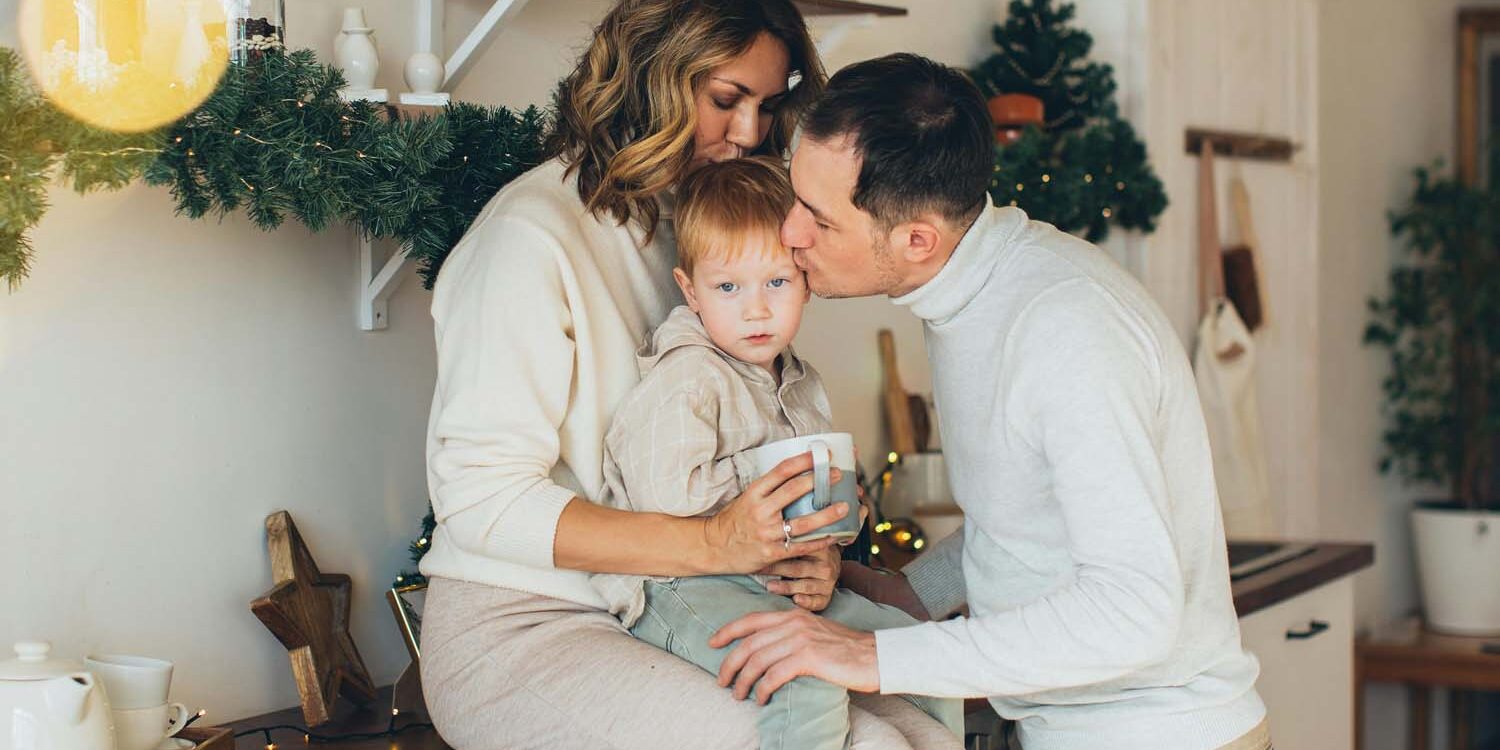
Creating a Home That Feels Like a Hug
There’s something special about walking into a space that instantly puts you at ease. A home like that doesn’t have to be perfect or Pinterest-ready—it simply feels warm, safe, and welcoming. For children especially, home should be the place where they can exhale, be themselves, and know they are loved without condition.
A home that feels like a hug isn’t built on décor or rules alone. It’s built on consistency, kindness, and the quiet reassurance that says, you belong here.
Why the Feeling of Home Matters
Children carry the emotional tone of their home with them wherever they go. When home feels safe and nurturing, they move through the world with greater confidence. They know they have a place to return to—a space where mistakes are met with grace and emotions are allowed.
That sense of emotional safety doesn’t happen by accident. It grows from everyday moments: the way conflicts are handled, the patience shown during hard days, and the warmth offered in simple interactions.
“A loving home isn’t loud or perfect—it’s steady, safe, and full of grace.”
Small Things That Create Big Comfort
You don’t need grand gestures to make home feel comforting. Often, it’s the small, consistent choices that shape the atmosphere.
-
Predictable routines. Familiar rhythms help children feel secure, even when life outside the home feels unpredictable.
-
Gentle words. The tone we use matters. Calm, respectful communication creates peace more than we realize.
-
Room for emotions. Joy, frustration, sadness—all are welcome. A home that allows feelings teaches children they don’t need to hide who they are.
-
Shared moments. Family meals, inside jokes, quiet evenings—these moments become emotional anchors over time.
Leading with Warmth, Even on Hard Days
No home is calm all the time. There will be messy days, raised voices, and moments that don’t go as planned. What matters most is not perfection, but repair. Apologies, understanding, and choosing connection over control go a long way in restoring peace.
When children see adults take responsibility for their words and actions, they learn that love is steady—even when things get tough.
“When children feel emotionally safe at home, they carry that confidence into every part of life.””
Final Thoughts
Creating a home that feels like a hug isn’t about getting everything right. It’s about creating an environment where love is felt, not just spoken. A place where laughter is welcome, tears are safe, and every person feels valued.
Over time, those small, loving moments stack up. They become memories, habits, and a deep sense of belonging that children carry well into adulthood.
In the end, the greatest gift we can give our families isn’t a perfect home—it’s a warm one.